



Diabetes Management Tools for Seniors

On this page
Managing diabetes day to day used to mean a notebook and a lot of guesswork. Today, a handful of simple tools can do the tracking for you and share it with your care team automatically. For seniors with type 2 diabetes especially, online tools make it possible to stay on top of your health without frequent trips to the office — and to keep everyone on your care team working from the same information.
Understanding diabetes
Diabetes affects how your body uses blood sugar. Knowing the types, the warning signs, and the long-term stakes makes it easier to manage.
The main types
- Type 1 diabetes: the body makes little or no insulin and daily insulin is required.
- Type 2 diabetes: the body doesn’t use insulin well — the most common type, and one whose risk rises with age, weight, and inactivity.
- Gestational diabetes: occurs during pregnancy and usually resolves after birth.
Symptoms and diagnosis
Common signs include increased thirst and urination, unexplained weight loss, blurry vision, and slow-healing wounds. Doctors diagnose diabetes with blood tests, and the A1C test — which reflects your average blood sugar over the past two to three months — is a key tool for ongoing management.
If you notice symptoms, see your doctor. Early diagnosis is one of the best ways to prevent complications.
How diabetes affects your health
Left unmanaged, diabetes can affect the heart, kidneys, eyes, and nerves — especially in the feet and legs. Keeping blood sugar, blood pressure, and cholesterol in range lowers those risks, and regular checkups let your provider catch early warning signs and adjust your plan.
Online diabetes management programs
Digital programs — like MDWatch’s own diabetes management program — help you monitor your health and get support from home. Most bring the essentials together in one place.
What these programs include
- Blood-glucose tracking to log levels and see trends over time
- Food diaries and exercise logs, often syncing with glucose meters and fitness trackers
- Medication reminders so doses stay on schedule
- Educational resources on nutrition, activity, and managing stress
- Community forums to connect with others living with diabetes
Why digital tools help
These tools give you around-the-clock access to your own health data, which makes patterns easier to spot and decisions easier to make. You can share clear reports with your provider, and many programs offer personalized guidance. Best of all, having everything in one place makes it more likely you’ll check your glucose and take medications on time — and studies suggest consistent use can help lower A1C.
Self-monitoring at home
Tracking your own numbers is central to good control.
Blood-glucose tracking
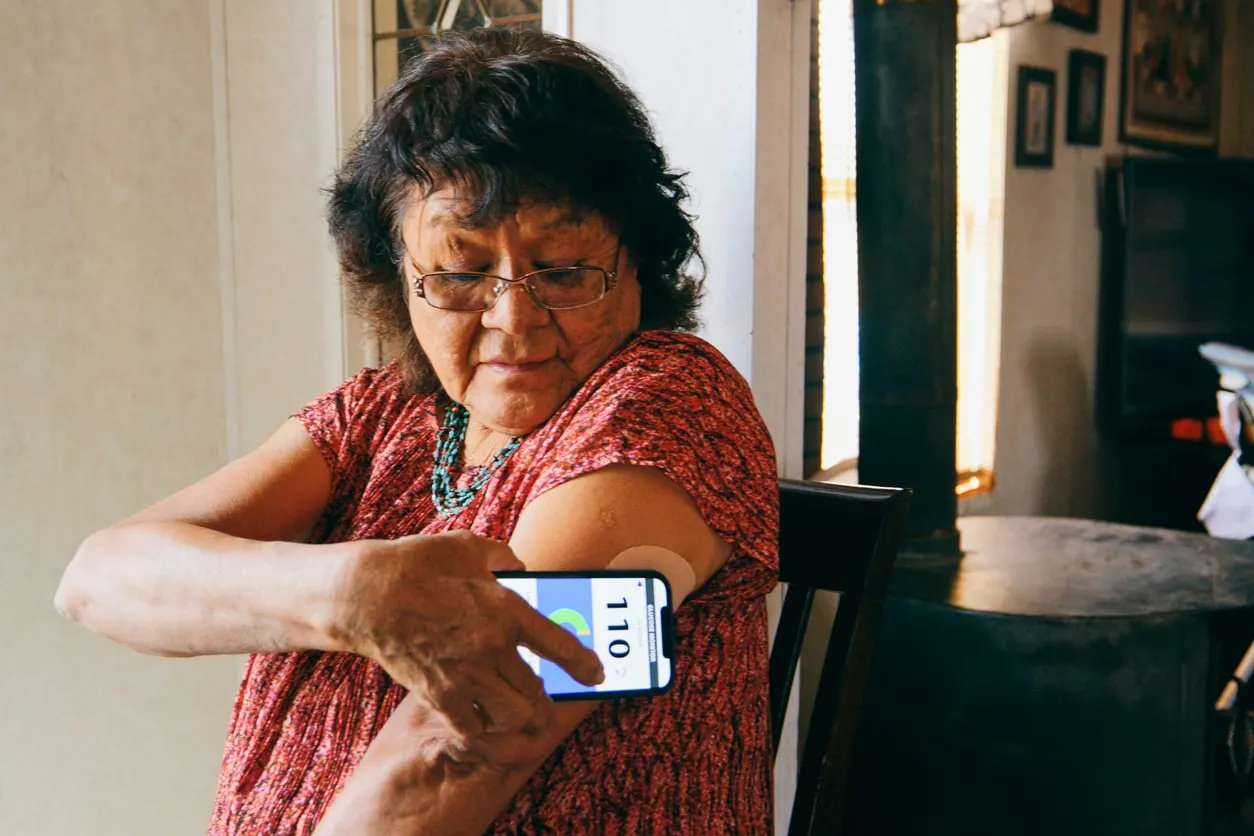
Use a glucose meter to test regularly and record the results — many meters now sync to your phone, making it easy to share with your provider. Helpful times to test:
- Before meals
- Two hours after meals
- Before bedtime
- Before and after exercise
Some devices can even alert you in real time when levels run too high or too low.
Logging food and activity
Writing down what you eat and how you move shows how each affects your blood sugar. Note food types and portion sizes, and for activity, record what you did, for how long, and how you felt. Over time these logs reveal which foods spike your blood sugar and which workouts help most.
Telehealth and virtual care
Telehealth has brought diabetes expertise within reach from home.
Specialists online
Virtual visits let you consult specialists without long travel or waiting rooms. Over video you can review your blood-sugar levels, discuss medication adjustments, and raise concerns — and many platforms offer secure messaging so you can stay in touch between appointments.
Regular virtual check-ups
Consistent monitoring is easier when check-ups fit your schedule. In a virtual visit, your care team can:
- Review your blood-glucose logs
- Adjust your treatment plan as needed
- Offer diet and exercise guidance
- Address new symptoms or side effects
The flexibility means these important appointments are easier to keep — which is the whole point.
The bottom line
The right tools turn diabetes care from a series of one-off readings into a clear picture your care team can act on — tracking your glucose, nutrition, and medications, and bringing specialist care to you, often without an extra trip to the office.
Frequently asked questions
Yes. Many telehealth providers let you review your blood sugar, adjust your plan, and get questions answered by video. Plenty of organizations also offer free, structured diabetes education online, covering healthy eating, exercise, and blood-sugar monitoring.
Often, yes. After a virtual visit that covers your symptoms and medical history, a licensed provider can send a prescription to your local pharmacy or a mail-order service. Always confirm the provider is licensed and reputable before you start.
Many providers can adjust insulin doses over telehealth once you share your blood-sugar readings and discuss any issues. Some services use connected apps or devices to track your insulin use, which helps your provider make informed decisions about your treatment.
MDWatch Diabetes Program
Manage diabetes from home
Work with a board-certified care team that monitors your numbers remotely and adjusts your plan between visits. Most visits are $0 with Medicare — and there's no obligation to start.
Medicare accepted
You don't have to do this alone
It's all handled from home, with a licensed U.S. care team beside you and Medicare helping cover the cost of care.
- A licensed U.S. care team who knows your name
- Tirzepatide delivered right to your door
- Connected cellular scale to track your weight loss
- Personalized medication adjustments based on your progress
- Upfront pricing and no membership fees

"I've lost over 30 pounds, and I feel amazing."Gabriela Verified patient −30 lbs
Thanks — you're all set.
Our benefits team will review your plan and reach out shortly. Nothing is submitted to Medicare, and there's no obligation.
(Demo mode — no information was sent.)
Free & secure · No obligation · About a minute
What happens after you submit
- Share a few details
- We verify your benefits, free
- Get your personalized plan
Written by

Jacquelyn Will
Health writer · MDWatch
Medically reviewed by
Dr. Terri Riddiford, MD
Board-certified · Reviewed November 8, 2024
Continue reading
All articles


This article is for general educational purposes only and is not medical advice. It should not replace a conversation with a licensed healthcare provider who knows your full medical history. Always talk with your provider before starting, stopping, or changing any treatment.