



Are GLP-1s Safe for Seniors? Benefits, Risks, and Key Considerations


On this page
GLP-1 medications are widely used to treat type 2 diabetes and to support weight management. For older adults, the picture comes with a few extra considerations: digestive side effects tend to be more pronounced, and the risk of medication interactions is higher — which makes careful monitoring essential.
Whether these medications are safe for you depends on your overall health and the other medications you take. The decision is worth weighing carefully with your provider before you begin.
This article walks through how GLP-1 therapy works, the benefits and risks for seniors specifically, who may need to avoid it, and the strategies that make it safer.
How GLP-1 medications work in seniors
GLP-1 receptor agonists mimic a natural hormone that helps control blood sugar and hunger. They work through several pathways that affect insulin release, digestion, and appetite.
Mechanism of action and appetite regulation
These medications imitate glucagon-like peptide-1, a hormone the intestines release after meals. They prompt the pancreas to release more insulin when blood sugar rises and they blunt glucagon, the hormone that raises blood sugar — a dual action that helps keep glucose steady.
They also slow how quickly the stomach empties, so you feel full longer, and they act on appetite signals in the brain to reduce hunger and cravings. In older adults these appetite effects can be more pronounced, partly because the body’s own GLP-1 production tends to decline with age.
Approved indications for GLP-1 drugs
The U.S. Food and Drug Administration has approved GLP-1 therapies for managing type 2 diabetes and for treating obesity. They require a prescription.
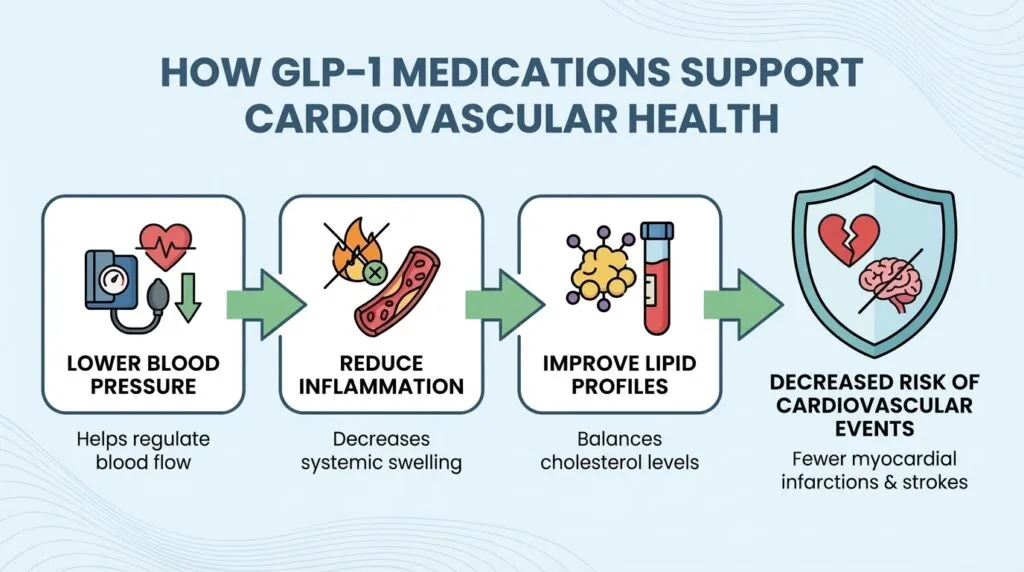
For type 2 diabetes, they are often added when first-line treatments such as metformin do not achieve adequate control; they help lower A1C and reduce the risk of diabetes-related complications. Some GLP-1 medications are also approved specifically for weight loss in adults with obesity, or who are overweight with related health problems. Certain ones additionally carry approval to reduce the risk of heart attack and stroke in people with diabetes and heart disease — valuable for seniors who often manage several conditions at once.
GLP-1 drug types and formulations
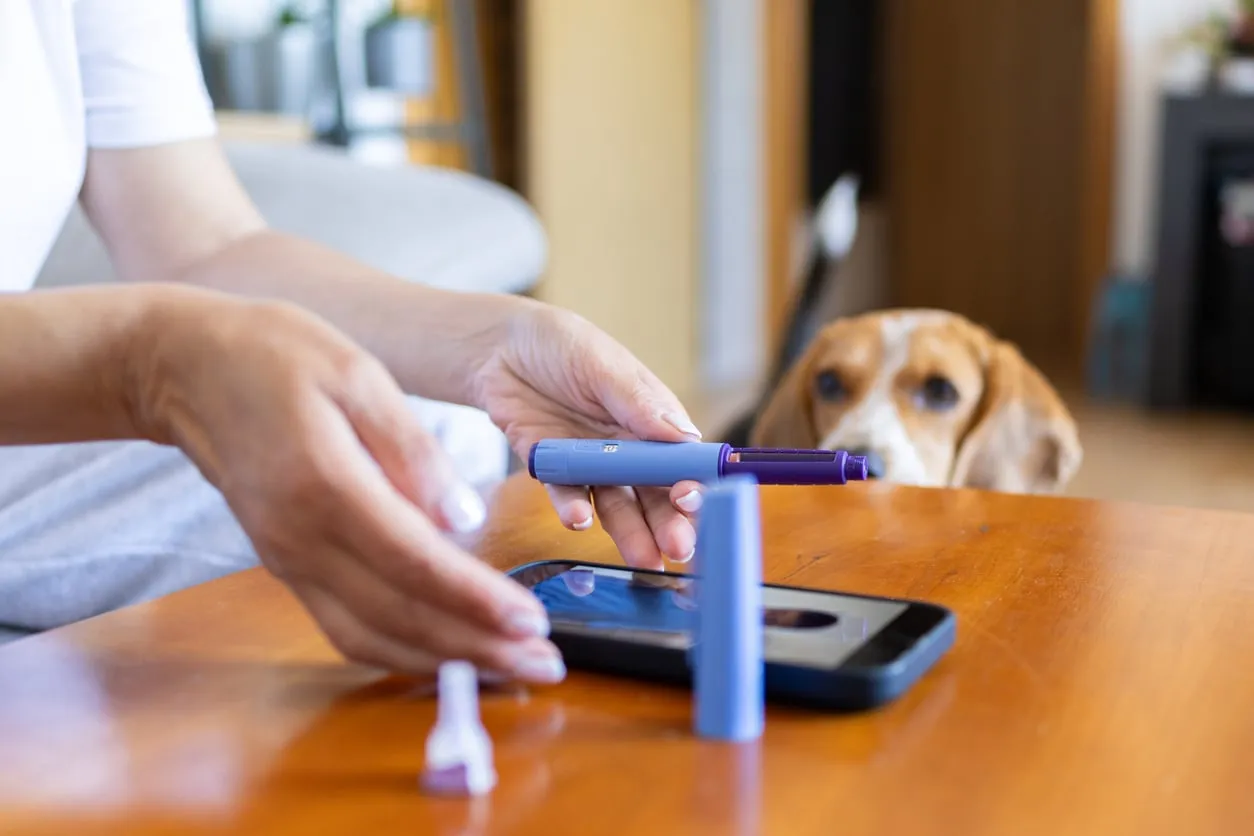
GLP-1 medications come in both injectable and oral forms. Most are self-administered injections taken weekly or daily.
Injectable options:
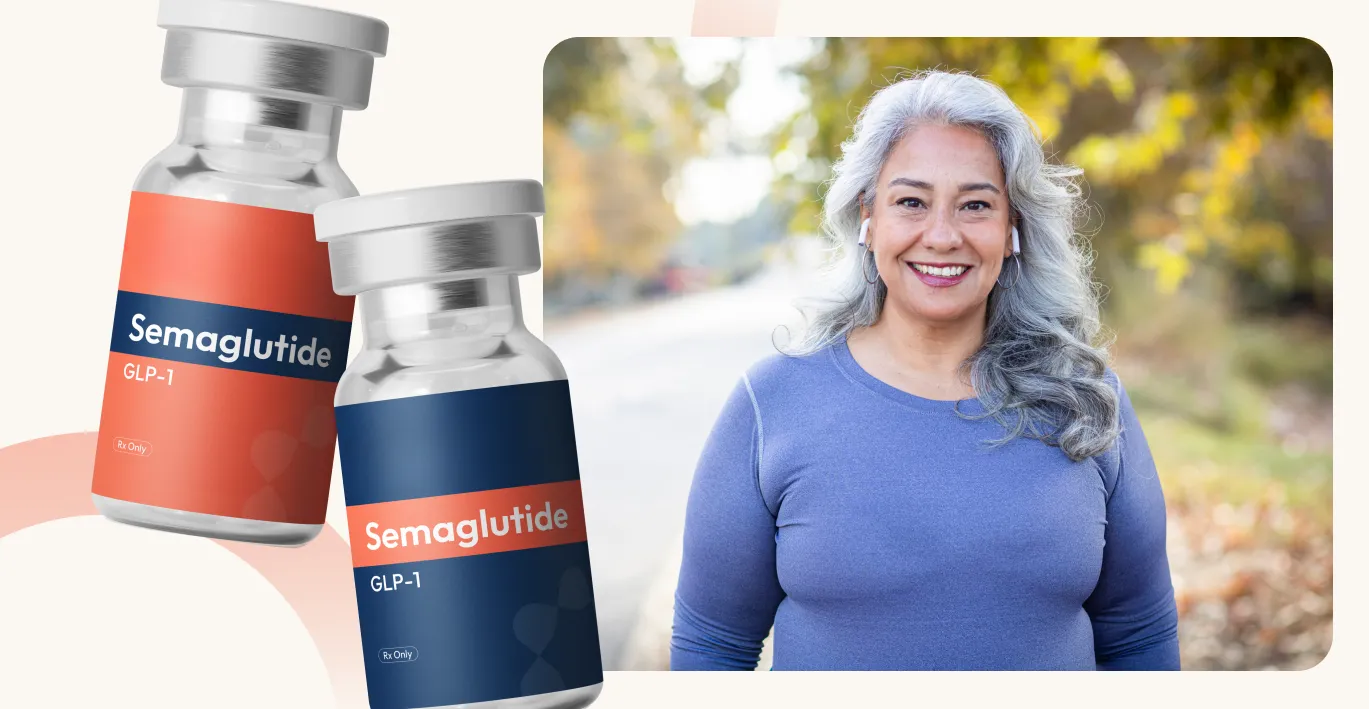
- Semaglutide — for diabetes and weight loss
- Tirzepatide — for diabetes and weight loss
Oral option:
- Semaglutide is also available as a daily pill
Many older adults prefer the weekly injectables for convenience; they are given under the skin in the abdomen, thigh, or upper arm. The oral option avoids injections but must be taken on an empty stomach with only a small sip of water.
Benefits of GLP-1 use in seniors
Beyond their primary uses, GLP-1 medications can support weight management, improve glycemic control, protect the heart and kidneys, and may even help preserve cognitive function.
Weight loss and weight management

GLP-1 therapy can produce clinically meaningful weight loss in older adults carrying excess weight, by reducing appetite and prolonging fullness so it is easier to eat less without constant hunger. Weight matters more with age, since excess weight can limit mobility and add to other health risks.
GLP-1 therapies may serve as a long-term treatment option for adults with obesity. Sustained use can help maintain weight loss and reduce the likelihood of regain — a common challenge with other approaches.
Type 2 diabetes control
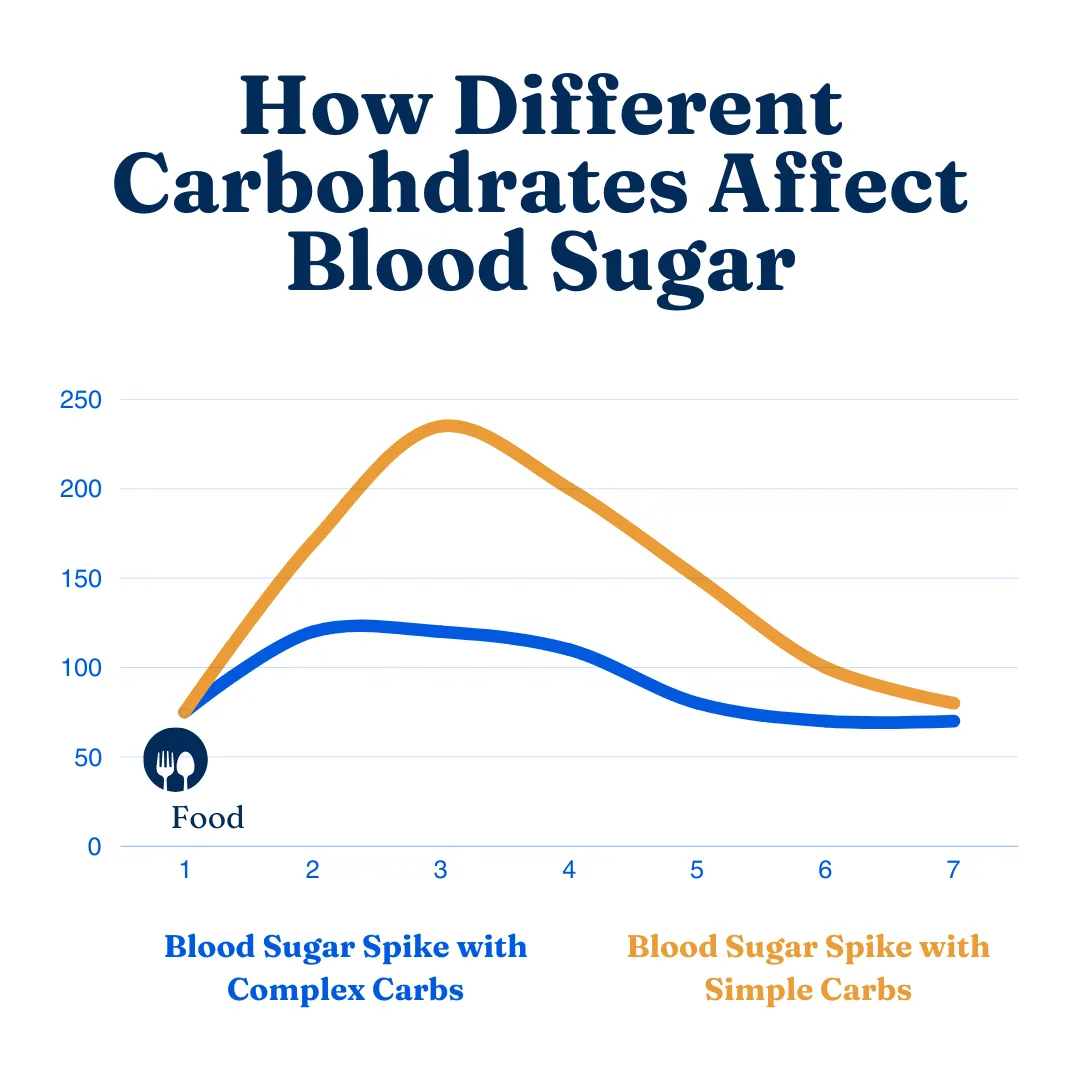
For people with type 2 diabetes, these medications can substantially improve control by boosting insulin in response to high blood sugar and slowing digestion to prevent post-meal spikes. Better control can also reduce the need for additional diabetes medications — a real advantage for seniors trying to simplify a complex regimen.
Cardiovascular and kidney outcomes

GLP-1 medications offer meaningful heart and kidney protection. They have been shown to reduce the risk of adverse cardiovascular and renal outcomes compared with some other diabetes medications — relevant given how common these conditions are in older adults with diabetes. They can lower blood pressure, reduce inflammation, and improve cholesterol, and they may slow the progression of kidney damage.
Potential cognitive benefits
Emerging research suggests possible neuroprotective effects, with some studies linking GLP-1 use to a lower risk of dementia compared with other diabetes medications. The proposed mechanisms include reduced inflammation in the brain and improved blood flow. The findings are preliminary and need more study, but they are a promising consideration for older adults.
Risks and side effects of GLP-1 in older adults
The clearest risks for seniors are significant digestive issues, a higher chance of muscle and bone loss, and a greater likelihood of fluid and electrolyte imbalances. Interactions with other medications are a primary concern, and all of these can require close medical monitoring.
Gastrointestinal side effects

Digestive symptoms are the most common problem. Nausea and vomiting are frequent when starting, and diarrhea, abdominal pain, or constipation can occur as your system adjusts. These tend to be more severe and longer-lasting in older adults; while many people improve after the first few weeks, some continue to need ongoing attention.
If you experience severe or persistent gastrointestinal side effects, talk with your doctor. They may adjust your dose or consider an alternative.
Muscle and bone loss
GLP-1 medications cause loss of muscle along with fat, which can worsen the muscle weakness (sarcopenia) that already comes with age. Significant weight loss can also reduce bone density, and together these raise the risk of falls and fractures. To protect your muscles and bones:
- Eat adequate protein (at least 1 gram per kilogram of body weight daily)
- Do regular resistance training
- Get enough calcium and vitamin D
- Work with a physical therapist if needed
Dehydration and electrolyte imbalances

Vomiting and diarrhea can quickly lead to dehydration, and older adults are already prone to fluid imbalances because thirst is often blunted with age. Dehydration can cause confusion, dizziness, and low blood pressure — raising the risk of falls — and severe cases can affect kidney function. Drink water steadily through the day even when you do not feel thirsty, and contact your doctor about dark urine, extreme tiredness, or increased confusion.
Serious adverse events
Pancreatitis is a rare but serious inflammation of the pancreas; severe abdominal pain spreading to the back, with nausea and vomiting, needs immediate care. Vision changes have been reported and may worsen existing diabetic eye disease in rare cases. Kidney problems can develop or worsen with dehydration, so periodic blood tests are important, and reduced appetite can lead to nutritional gaps. Long-term studies are still ongoing, so your provider weighs these risks against the benefits before prescribing.
Safety considerations and patient selection
Choosing the right candidate means evaluating your overall health, medications, functional ability, and lab results — and monitoring closely once you start, since people over 65 face higher risks of side effects and interactions.
Monitoring and dosing strategies

Providers start at a low dose and increase gradually to limit nausea and vomiting — especially important in older adults, where dehydration can lead to complications. Kidney function should be monitored, and blood sugar watched closely in the first months; if you take other diabetes medications, those doses may need adjusting to prevent dangerously low blood sugar. Tracking weight helps confirm you are not losing too much muscle along with fat.
Addressing polypharmacy and comorbidities
If you take several medications, have them all reviewed before starting GLP-1 therapy. Because these drugs slow stomach emptying, they can affect how other oral medications are absorbed — so timing may need adjusting for medications that depend on precise absorption, such as:
- Thyroid hormones
- Blood thinners
- Antibiotics with specific dosing schedules
- Certain pain medications
Existing conditions matter too: a history of pancreatitis, gastroparesis, or certain thyroid conditions may make GLP-1 therapy inappropriate.
Strategies to minimize risks
Reducing side effects comes down to nutrition, exercise, and close follow-up — the same things that protect muscle and catch problems early.
Nutritional approaches to prevent muscle loss

Protein is critical. Aim for roughly 1.2 to 1.6 grams per kilogram of body weight daily, spread across meals. Good sources include:
- Lean meats like chicken and turkey
- Fish such as salmon and tuna
- Eggs and Greek yogurt
- Legumes and beans
- Cottage cheese and tofu
You also need enough total calories and nutrient-dense foods to avoid excessive muscle loss. A dietitian can help you build a plan, and small, frequent meals can help if the medication blunts your appetite.
Incorporating physical activity
Resistance training is the single best way to preserve muscle during weight loss — aim for strength work two to three times a week, covering the major muscle groups, starting light and building up with good form. Pair it with:
- Walking for 30 minutes most days
- Swimming or water aerobics
- Cycling or stationary biking
- Stretching and balance exercises
If mobility is limited, chair exercises or physical therapy offer similar benefits. Consistency matters far more than intensity.
Regular health monitoring and follow-up

Plan to check in with your provider regularly — every three months at first, or more often if needed. Useful tests and checks include:
- Blood sugar and A1C
- Kidney function
- Blood pressure
- Weight and body composition
- Any digestive symptoms
Report new symptoms promptly rather than waiting for the next visit, and keep a simple journal of side effects, appetite, and energy so your provider can fine-tune your plan.
The bottom line
GLP-1 medications offer real benefits for many seniors — better diabetes control and cardiovascular protection among them. But they call for individualized assessment and close medical supervision, because the risks of side effects, dehydration, and drug interactions are higher in older adults. With careful monitoring and lifestyle support, most seniors can get the benefit while keeping the risks in check.
Frequently asked questions
Your age influences how your body responds. Usage is highest among adults aged 50–64 and lower after 65, which may reflect legitimate safety considerations and different treatment priorities. As you age, changes in kidney function, liver metabolism, and body composition affect how medications are absorbed and how they work — so your provider tailors the plan to you. The cardiovascular benefits appear consistent across age groups, though your individual risk determines how much you stand to gain.
You should not use GLP-1 medications if you have a personal or family history of medullary thyroid cancer or multiple endocrine neoplasia type 2 — this applies at any age. Severe gastrointestinal disease such as gastroparesis or inflammatory bowel disease can be worsened by the slowed stomach emptying these drugs cause. Severe kidney disease and a history of pancreatitis are also important reasons for caution, so your provider reviews these carefully before prescribing.
Almost always with a start-low, go-slow approach: the lowest available dose first, then gradual increases over several weeks. Your provider may extend the time between increases if side effects appear, and some medications need dose adjustments if your kidney function is reduced. If nausea or vomiting persists, the answer is usually to slow the titration or briefly lower the dose — not to stop on your own.
Bone health and muscle mass are the two to watch. Rapid weight loss can reduce bone density, which matters more if you are already at risk for osteoporosis, and some muscle is lost along with fat. Resistance exercise and adequate protein help preserve both, and your provider should keep monitoring your weight, kidney function, and blood sugar over time.
Sources
- U.S. FDA — approval of GLP-1 medications for type 2 diabetes
- CDC — GLP-1 injectable use among U.S. adults with type 2 diabetes (2018 to 2022)
- U.S. FDA — GLP-1 approval to reduce cardiovascular risk in obesity
- World Health Organization — 2025 guideline on GLP-1 medicines for obesity
- NIH / PubMed — cardiovascular and kidney outcomes of GLP-1 in older adults
- The Lancet eClinicalMedicine — GLP-1 use and lower dementia risk in older adults
- The BMJ — gastrointestinal side effects of GLP-1 medications
- The Lancet Healthy Longevity — GLP-1 and sarcopenia risk in frail older adults
- NIH / PubMed — dehydration and GLP-1 therapy
- ScienceDirect — long-term safety considerations for GLP-1 use
- ScienceDirect — monitoring guidance for GLP-1 medications
MDWatch Weight-Loss Program
See if a GLP-1 is right for you
Get a personalized plan from board-certified medical providers who treat seniors every day. The medical visit is $0 with most Medicare plans — and there's no obligation to start.
Medicare accepted
You don't have to do this alone
It's all handled from home, with a licensed U.S. care team beside you and Medicare helping cover the cost of care.
- A licensed U.S. care team who knows your name
- Tirzepatide delivered right to your door
- Connected cellular scale to track your weight loss
- Personalized medication adjustments based on your progress
- Upfront pricing and no membership fees

"I've lost over 30 pounds, and I feel amazing."Gabriela Verified patient −30 lbs
Thanks — you're all set.
Our benefits team will review your plan and reach out shortly. Nothing is submitted to Medicare, and there's no obligation.
(Demo mode — no information was sent.)
Free & secure · No obligation · About a minute
What happens after you submit
- Share a few details
- We verify your benefits, free
- Get your personalized plan
Written by

Jacquelyn Will
Health writer · MDWatch
Medically reviewed by
Dr. Terri Riddiford, MD
Board-certified · Reviewed May 28, 2026
Continue reading
All articles
This article is for general educational purposes only and is not medical advice. It should not replace a conversation with a licensed healthcare provider who knows your full medical history. Always talk with your provider before starting, stopping, or changing any treatment.